Can AI Transform Hollywood Without Replacing Creativity?
As artificial intelligence transforms filmmaking, Hollywood faces a defining question: Can technology expand creativity without replacing the people behind the stories?
TECHNOLOGYENTERTAINMENT
Lumine Editorial
10/17/20262 min read

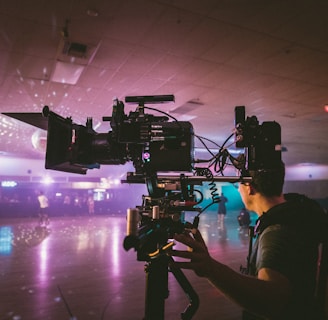
For more than a century, Hollywood has used technology to bring the impossible to life. From synchronized sound and color film to computer-generated imagery and virtual production, each major innovation has changed how stories are told.
Artificial intelligence may be the industry's next significant transformation. But unlike earlier technological advances, generative AI raises a particularly sensitive question: What happens when technology can imitate aspects of human creativity itself?
A New Creative Toolkit
Artificial intelligence is changing how filmmakers approach the creative process. From developing visual concepts and storyboards to experimenting with special effects, AI tools offer new ways to explore ideas before cameras begin rolling.
For independent filmmakers, these capabilities could make certain aspects of production more accessible. Smaller teams may be able to visualize ambitious projects without the resources traditionally required by major studios.
Yet greater technological capability does not automatically produce better storytelling. A visually impressive scene still needs compelling characters, emotional depth, and a meaningful narrative.
Hollywood's Human Question
As artificial intelligence becomes more capable, Hollywood faces questions that extend far beyond efficiency and production costs. What happens when an actor's likeness can be digitally recreated? How should writers be credited when AI tools contribute to the creative process? And how can artists maintain control over their work?
These concerns have become central to conversations about the future of entertainment. Performers, writers, and other creative professionals are seeking safeguards around consent, compensation, authorship, and the use of AI-generated material.
The challenge is not simply deciding whether Hollywood should use artificial intelligence. It is determining how the technology can be introduced without undermining the people whose talent and imagination make storytelling possible.
Innovation Meets Ownership
As artificial intelligence becomes more deeply integrated into entertainment, copyright and intellectual property have emerged as major areas of debate. AI systems can generate images, voices, and video, raising questions about how existing creative works are used to train these technologies.
For film studios, the stakes are significant. Characters, scripts, performances, and visual designs represent years of creative investment. Protecting these assets while exploring new technological possibilities requires a careful balance between innovation and ownership.
Licensing agreements, legal challenges, and industry negotiations are helping shape the rules for AI-generated entertainment. Their outcomes could influence not only Hollywood's largest studios but also independent filmmakers, artists, and emerging creative businesses.
Ultimately, the future of AI in Hollywood may depend as much on trust, transparency, and fair compensation as it does on technological progress.
The Future of Storytelling
Artificial intelligence could become an increasingly familiar part of filmmaking, much like digital editing, computer-generated imagery, and virtual production. As these tools evolve, they may give filmmakers new ways to experiment, collaborate, and bring ambitious ideas to life.
For independent creators, AI could help lower certain technical and financial barriers, opening opportunities to explore stories that might otherwise remain unrealized. For established studios, it could change how productions are planned, developed, and delivered.
Yet technology alone cannot determine what makes a story meaningful. Memorable films are shaped by human experiences, cultural perspectives, emotional connections, and creative decisions that extend beyond technical execution.
The most compelling future may not be one in which machines replace filmmakers, but one in which filmmakers gain new ways to express their imagination while retaining meaningful creative control.
Hollywood's next chapter will depend on more than what artificial intelligence can create. It will depend on what the industry chooses to protect.
LUMINE
Technology, Culture, & the Future.
CONNECT
EXPLORE
© 2026 LUMINE. All rights reserved.
Technology
Entertainment
Design
Mobility
People
Culture